





Look for charities, nonprofits, and government programs that provide free cars to individuals in need. Some organizations, like Goodwill and the Salvation Army, offer free cars through their donation programs. Additionally, there are websites and platforms that connect people who are giving away their cars with those who need them, such as FreeCharityCars.org and Craigslist.
Each program may have its own eligibility requirements, which typically include proof of income, proof of residency, and a valid driver's license. Some programs may also have specific criteria, such as catering to veterans, single mothers, or individuals with disabilities. It's important to read the eligibility guidelines and gather all the necessary documents to increase your chances of qualifying.
Start by researching the programs available in your area and determining which ones you qualify for. Complete the application forms thoroughly and honestly, providing all the required documentation. Be prepared for a potentially lengthy process, as there may be a waiting period due to high demand. Stay persistent and follow up on your application to ensure it is being processed.
If you don't qualify for a free car program or experience difficulty in finding one, consider exploring alternative options. Look for local carpooling groups or free transportation services in your community. Some cities also have bike-sharing programs or subsidize public transportation for low-income individuals. Another option is to reach out to friends, family, or neighbors who may have an unused vehicle they could lend or donate to you.
After submitting your application, expect a review process from the program administrators. They will assess your eligibility and may conduct interviews or home visits to verify your circumstances. If selected, you'll be notified and given instructions on how to proceed. It's crucial to maintain open communication with the program administrators, promptly responding to their requests and attending any required meetings.
Understand the legal and financial aspects of owning a free car. Depending on the program, you may be responsible for taxes, registration fees, insurance coverage, and maintenance costs. Make sure you have a clear understanding of your obligations and seek professional advice if needed.
Once you receive a free car, it's important to take care of it properly. Regular maintenance, such as oil changes and tire rotations, will help keep the car running smoothly. Be sure to adhere to local traffic laws and maintain valid insurance coverage. Showing gratitude to the program that provided you with the vehicle, such as volunteering or participating in charity events, can also foster goodwill and help support their mission.
Remember, obtaining a free car may require patience and persistence, but with the right resources and determination, it is possible to achieve this valuable asset that can greatly improve your mobility and quality of life.

10 Low Performance Cars You Shouldn't Buy
Ditch the disappointment and race ahead with our list of 10 low-performance cars to steer clear of. From sluggish sedans to lackluster pickups, discover the vehicles that fall short on the road and avoid driving despair.
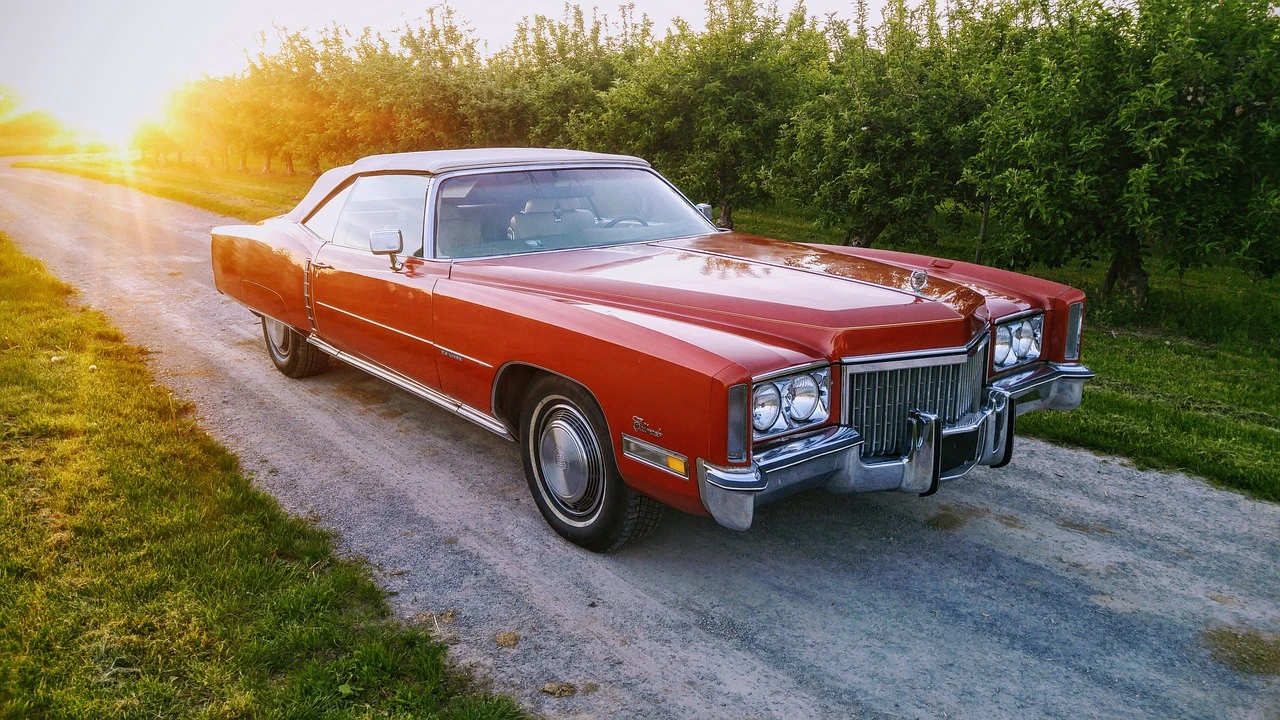
What To Look For When Buying A Used Car
Navigate the world of used car buying with confidence! Uncover the essential factors to consider, insider tips, and expert advice that will steer you towards finding the perfect used car that suits your needs and budget.
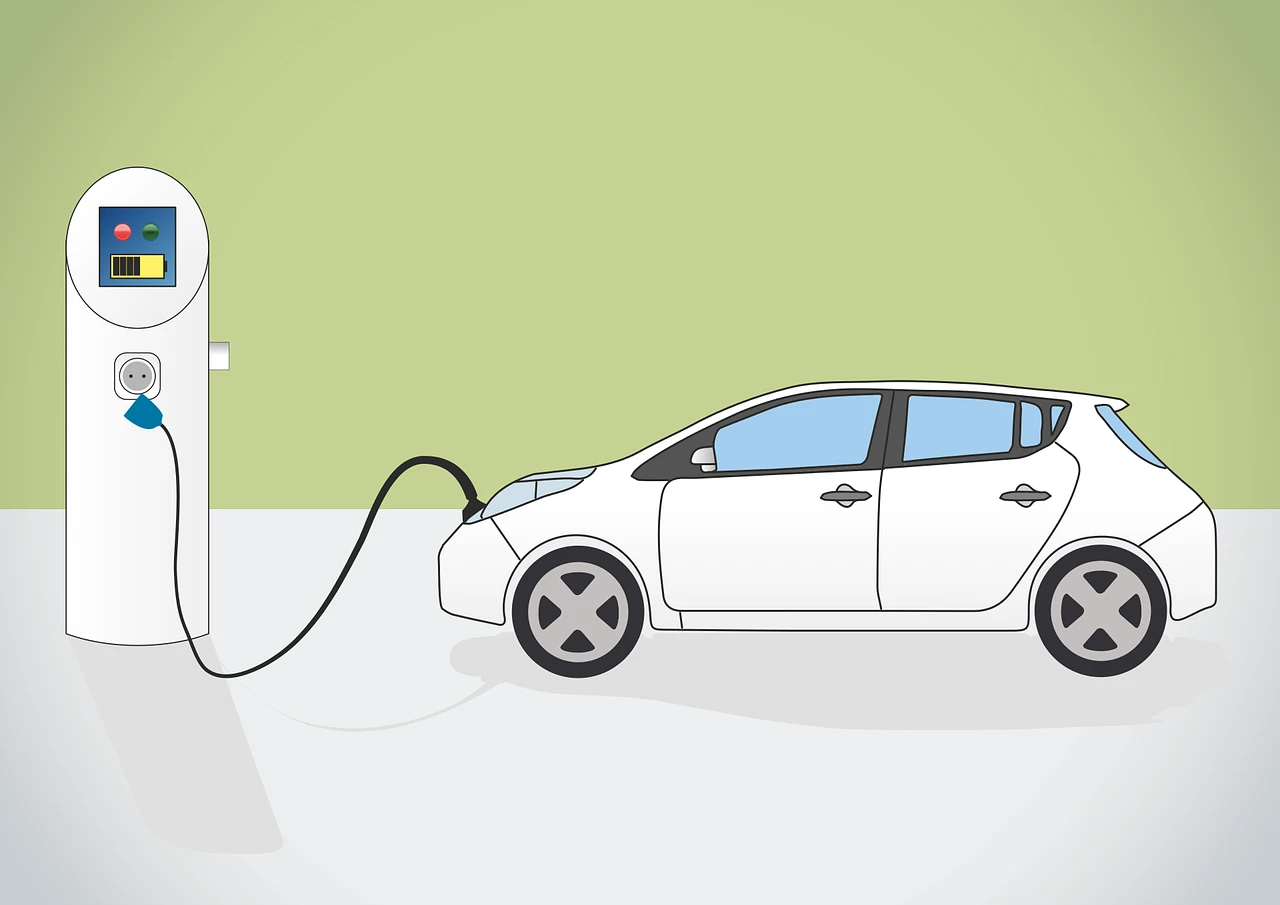
Is It Wise To Buy An Electric Car In 2024?
Unleash the power of electric vehicles in 2024! Explore the compelling reasons why investing in an electric car could be your smartest move yet, revolutionizing your driving experience while benefiting the environment.

What To Consider When Buying A Car
Rev up your car buying journey with expert guidance on what matters most. Unveil the key considerations that will steer you towards the perfect vehicle, making your purchase a smooth and satisfying ride.

A Comprehensive Guide To Obtaining A Free Car
Unlock the Road to Freedom: Your Comprehensive Guide to Securing a Free Car! Discover sources, eligibility criteria, application tips, and alternative options that can put you in the driver's seat. Take control of your transportation destiny and enjoy the ride to a better future!


